Reviews
Part of Ownership versus payment: what an equipment financing deal really turns on
Equipment financing review: an annual asset check
Equipment financing review: a yearly process for matching each agreement to its asset, checking key terms and planning the exit before the contract ends.
The agreement for the machine was read carefully once, on the day it was signed. Then the machine started earning, the payments started leaving, and the document went into a drawer. Most of what goes wrong in equipment finance goes wrong in that drawer, quietly, while everyone is busy.
This is a method for reviewing existing equipment agreements, once a year, against the assets they paid for. It takes an hour per agreement and it has a habit of paying for itself. The three cases at the end are invented and carry no figures.
What to take away
- Review the finance against the asset, not against the calendar. The question is whether the machine still earns what the payment costs.
- The dates that hurt are at the end of the term, and they need to be in your diary now.
- Early settlement and upgrade are arithmetic, and the contract usually contains the answer.
Line up the two registers
Most businesses keep an asset register and a list of finance agreements, and the two rarely refer to each other. The review begins by joining them into one table, one row per financed asset.
One row per financed asset
- Asset, with serial or unit number
- Agreement reference and counterparty
- Structureowned with a lien, or leased
- Term end date
- End-of-term options and notice window
- Remaining payments and any balloon
- Early settlement terms
- Insurance requirement and renewal date
| Column | Where it comes from |
|---|---|
| Asset, with serial or unit number | Your asset register |
| Agreement reference and counterparty | The agreement |
| Structure: owned with a lien, or leased | The agreement |
| Term end date | The agreement |
| End-of-term options and the notice window for each | The agreement, usually near the back |
| Remaining payments and any balloon | The latest statement |
| Early settlement terms | The agreement |
| Insurance requirement and renewal date | The agreement and your policy |
| Location and condition | Your own inspection |
| Utilisation over the last year | Your job records or hours meter |
The row that surprises people most is the notice window. A lease that renews automatically unless notice is given inside a defined period keeps charging for a machine you meant to return.
Find every such window and calendar it a month early. The same table, built before signing rather than a year after, is the equipment financing checklist.
The five questions at each anniversary
Is the asset still earning more than the payment? Use utilisation, not sentiment. A machine that ran half the hours it ran last year, for whatever reason, is a machine whose finance has quietly doubled in cost per hour of work. That is not a reason to panic; it is a reason to ask why.
Term versus working life
Where is the term relative to the working life?
Term ends first -> own a useful asset outright
They end together -> fine
Where is the term relative to the working life?
What does the contract say about early settlement today?
Has anything happened that the contract cares about?
Are the closing conditions in view?
Three cases, all invented
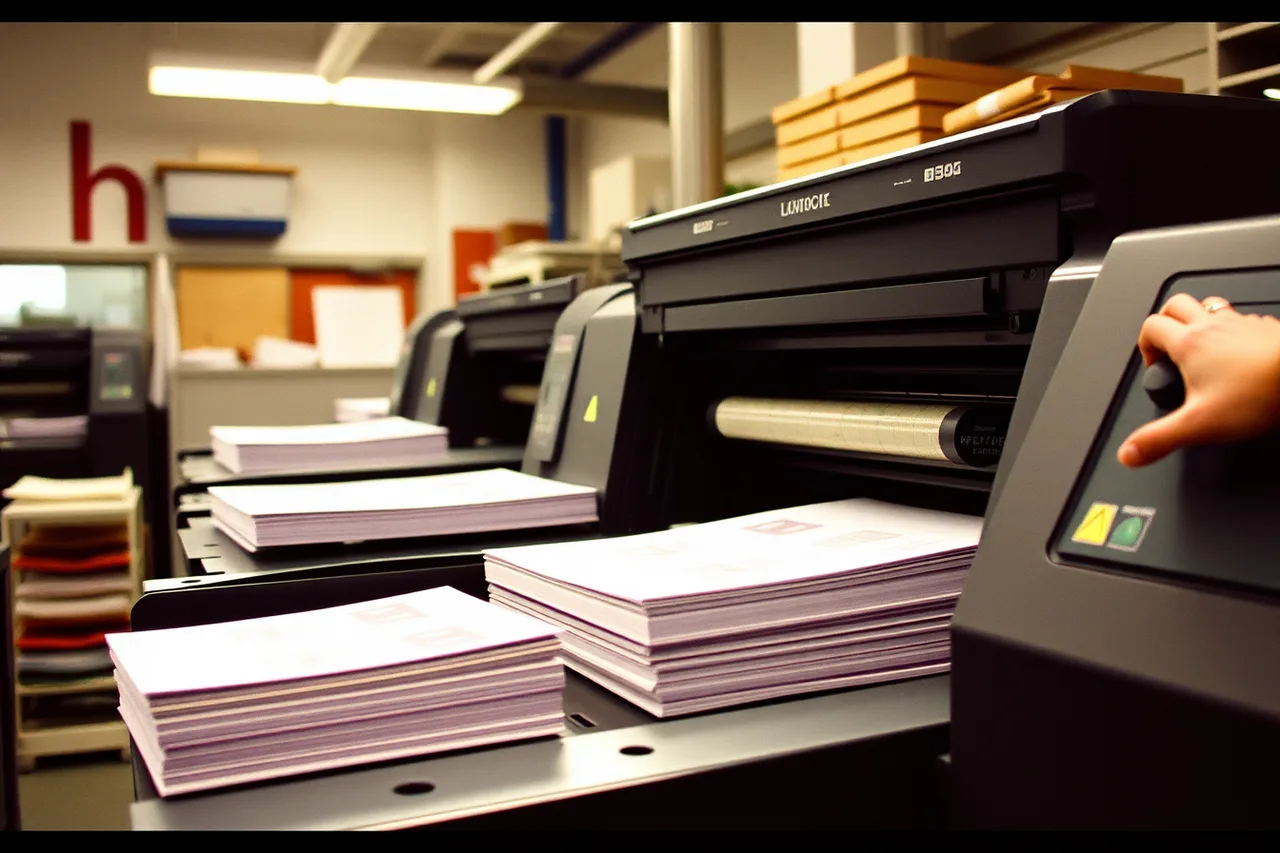
The press that aged faster than its lease. A small print business leased a digital press on a structure with a return option. Two years in, a newer generation made the machine slow by comparison and customers began asking for finishes it could not produce. The annual review put the question plainly: the term had a long way to run, the asset's earning life did not. Because the review happened before the notice window rather than after, the business could price three routes side by side: run it out, settle early on the contract's formula, or negotiate an upgrade with the same lessor. It had a choice. Had it waited for the renewal letter, it would have had a bill.
The fleet with a seasonal blind spot. A landscaping firm financed vehicles and equipment that earned heavily for seven months and sat for five. The payments did not know that. The review compared cost per working hour across the year rather than across the busy season, and the number was uncomfortable. The fix was not to refinance; it was to move the next acquisition onto a structure that matched the season, and to stop buying capacity for the peak. This is the kind of thing an annual review finds and a monthly bank statement never does.
The machine that was paid off and still encumbered. A workshop finished paying for a lathe and put the file away. Three years later an application for a line of credit stalled because a search showed a filing still registered against the business. The old lender had never lodged a termination, and nobody had checked. It was fixable, but it was fixable slowly, in the middle of a process that had a deadline. The exit review exists to prevent exactly this.
The exit review
When an agreement ends, whether by final payment, return or buyout, confirm each of these in writing before you file it away.
Confirm before you file it
- Filing terminated, fresh search shows it gone
- Title transferred, if buying
- Lender removed as insurance loss payee
- Return inspected and signed off, photos kept
- Guarantee released in writing
- Final statement shows zero balance
- The filing against the asset has been terminated, and a fresh search shows it gone. UCC Article 9 of the Uniform Commercial Code governs secured transactions. Section 9-513 addresses a secured party's duty to file a termination statement, while the state's enacted version of Article 9 sets the applicable conditions. The original filing to look for is the UCC-1 financing statement in the relevant state's UCC records.
- Title has transferred, if you are buying, and the document says so.
- The lender or lessor has been removed from your insurance policy as loss payee.
- Any return has been inspected and signed off against the return-condition standard, with photographs kept.
- Any guarantee tied to the agreement has been released, in writing.
- The final statement shows a zero balance and no trailing charges.
Where to check anything specific
The agreement is the source for all of it. For the structural questions, ownership, end-of-term options and matching term to working life, see equipment financing. For a neutral view of business financing generally, the SBA business guide is a reasonable starting point.
Common questions
How often should this be done?
Once a year for every agreement, and again whenever the asset's use changes materially or a term-end falls within the next twelve months.
The review says the machine no longer earns its payment. What now?
Price the options the contract gives you: run it out, settle early, upgrade, or return. Then decide. The review does not tell you what to do; it makes sure you decide with the numbers in front of you rather than when a letter arrives.
Who should do the review?
Whoever knows the asset's utilisation, with the agreement open. It is not an accounting exercise, though your accountant will want the result.
Is it worth settling early to be rid of a payment?
Only if the settlement figure, on the contract's own formula, is less than the value of keeping the cash. Sometimes it is. Read the clause first.