Reviews
Part of Loans by industry: five cash-flow pointers
Loans by industry requirements in plain terms
Loans by industry requirements in three layers: the file every applicant provides, what your payment method adds, and what your sector's gatekeepers add.
The core financial file changes very little from one trade to the next. What changes is everything a trade needs before it can earn at all — a license, a permit, a bond, a lease — and a lender asks for that short list of extras once it knows how your money arrives and who lets you trade.
Two businesses of the same size, one paid by card at the counter and one paid by a public body ninety days after sign-off, get asked for different files.
This page breaks loans by industry requirements into three layers: what every applicant provides, what your payment method adds, and what your sector's own gatekeepers add on top. Each layer is owned by whoever sets it — an underwriter, a processor, a landlord, an insurer or a licensing body — and any of them can change a requirement without notice.
What to take away
- The base file is the same for every trade. The additions come from how you are paid and from who licenses you.
- The requirement that most often stalls a file is not financial at all: it is a permission, a lease or an insurance certificate.
- Ask what is required before you assemble anything, because a list you were given is shorter than a list you guessed.
Layer one: what every applicant provides
This part does not vary by sector.
Every applicant's base file
- Bank statements, full period
- Financial statements and tax filings
- Formation documents and IRS identifier
- Ownership details and guarantor information
- Use of funds and repayment source
By name, the pieces most files are built from: the EIN, applied for on IRS Form SS-4; signed tax returns and, when the lender pulls them directly, IRS Form 4506-C for transcripts; recent business bank statements; and the documents that show who owns the entity. Where the borrowing is secured, the public notice of the lender's claim is a UCC-1 financing statement — filed by the lender, not by you.
If any of this is inconsistent between documents, fix it before submitting. Inconsistency between a tax return and a bank statement is read as either disorganisation or something worse, and it is the most common cause of a file going quiet.
Layer two: what your payment method adds
How the money reaches you decides what a lender can verify and what it can attach to.
Payment method adds documents
Card at point of sale
- Processor
- Statements, identity
- Receivables
- Settlement timing
- Contracts
- Chargeback history
- Special risk
- Processor change as default
Invoice to commercial customers
- Processor
- Not applicable
- Receivables
- Sales ledger, aged debtors
- Contracts
- Major customer contracts
- Special risk
- Undisputed debt definition
Milestone or progress billing
- Processor
- Not applicable
- Receivables
- Billing schedule
- Contracts
- Contract, sign-off evidence
- Special risk
- Retention position
What your payment method adds
| How you are paid | What gets asked for on top |
|---|---|
| Card at the point of sale | Processor statements, settlement timing, chargeback history, the processor's identity |
| Invoice to commercial customers | Sales ledger with real payment dates, aged debtor report, major customer contracts |
| Milestone or progress billing | The contract, the billing schedule, evidence of sign-off, the retention position |
| Public sector or institutional payer | The purchase order or framework, the payment run timetable, any registration required to invoice |
| Cash and mixed retail | Till records reconciled to banking, evidence of deposit discipline |
| Subscription or recurring billing | Churn and renewal records, the billing platform's reports |
Two of these rows carry a trap. Card processing ties your receipts to a third party, and any product that collects from settlements needs that party's cooperation. That is why changing processor is so often written into an agreement as an event of default.
Invoiced revenue can be financed directly, but only the part of it that meets a financier's definition of a real, undisputed debt. That definition is narrower than a sales ledger, and it is set out in invoice financing requirements.
Layer three: what your sector's gatekeepers add
These are the requirements that come from outside the lending relationship, and they are the ones that stall files.
Sector gatekeeper requirements
- Permissions to tradelicenses, permits, inspections
- Premiseslease, term, landlord consent, waiver
- Insurancecoverage, lender named on policy
- Bonding and guarantees to third parties
- Environmental and site inspection questions
- Ownership constraintsfranchise, partnership, shareholder agreements
Permissions to trade. Licenses, permits, certifications, registrations and inspections. A lender financing a business that cannot legally operate has financed nothing. Expect current copies, and expect renewal dates to be noticed.
Premises. A lease, its remaining term, and often the landlord's consent to something. Where equipment is fixed to a building somebody else owns, expect a waiver from that owner before anything is financed.
Insurance. Existence, coverage, and frequently the lender named on the policy. Where an asset secures the debt, this is the whole of the lender's protection if the asset burns.
Bonding and guarantees to third parties. In contracting, obligations you have already given to somebody else affect what you can give a lender.
Environmental and site questions. Where property or ground contamination is involved, an inspection can be required before anything moves.
Ownership constraints. Franchise agreements, partnership deeds and shareholder agreements can restrict borrowing, pledging assets or changing ownership without consent. Read yours before you promise anything to a lender.
None of these is a financial test. All of them can be assembled in advance, and all of them expire, which is why the sensible time to gather them is now rather than during an application.
What the named trades are asked for
The categories above apply everywhere. Here is the same layer with names attached, in trades where the same permission comes up again and again.
- Trucking and freight.Operating authority from the Federal Motor Carrier Safety Administration: a USDOT number, and an MC number for for-hire carriage. Expect the authority letter, commercial driver's licenses for the drivers, titles or leases on the tractors and trailers, and an insurance certificate that names the lender.
- Restaurants and food service.A food service permit from the state or county health department, and a liquor license from the state alcohol control board where alcohol is served. The lease, the kitchen equipment list and the processor statements get read together.
- Construction and specialty trades.A contractor license from the state licensing board where the state issues one, a surety bond or a letter from the bonding company, and the schedules behind work in progress. Obligations already given to owners and general contractors surface here.
- Healthcare and care services.A professional license from the state medical, nursing, dental or pharmacy board, a National Provider Identifier for billing, and Medicare or Medicaid enrollment where the practice bills them. Malpractice coverage is asked for alongside the general insurance.
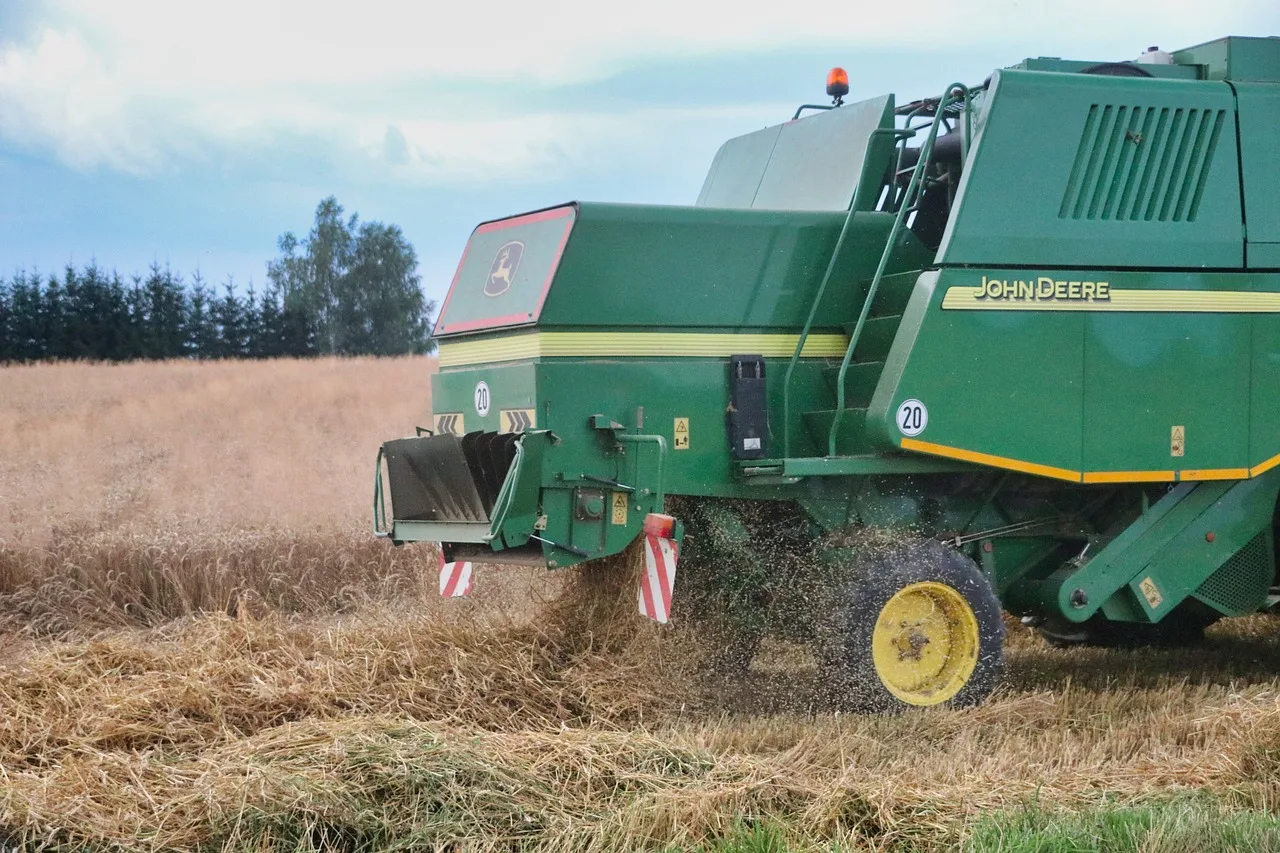
- Agriculture.A farm number from the USDA Farm Service Agency for the land being farmed, crop insurance or USDA program records, and the leases or deeds for that land.
- Cannabis and other federally restricted trades.A state cannabis license, and a much smaller field of institutions willing to lend at all, because federal law keeps most banks out of the trade.
What is not required, whatever you were told
Nobody needs to pay a fee up front to secure a loan approval that has not happened. No sector requires a particular intermediary.
If someone says businesses like yours can only get financing through one channel, that is a sales claim, not a requirement. The FDIC's Money Smart for Small Business covers ordinary business borrowing with nothing sold, a reasonable benchmark.
Where the requirements come from
It helps to know which party set each item, because that tells you who can waive it.
Who set the requirement?
Who set this requirement?
Lender credit policy -> can be discussed
Regulator or licensing body -> cannot be discussed
When an asset secures the borrowing, several questions collapse into that asset. This is a practical argument for equipment financing over general borrowing. If the weakness is in the file rather than the sector, the dials that move are described in loans by credit profile.
A guarantee adds a second rulebook. Loans backed by the Small Business Administration — the 7(a) and 504 programs — are documented on the SBA's own forms as well as the lender's, so a trade one institution likes can still wait on agency paperwork.
Whatever the layers add up to, the provisions that will govern the years after signing are in application and repayment.
Ask before you assemble
One question, early, to each lender: what does a complete file for a business like mine look like to you, and what is most often missing? Underwriters answer this readily because it saves them work too. It converts three layers of guesswork into a list, and a list can be finished.
The rest of the preparation, including how to measure the cycle those documents are meant to evidence, is in loans by industry.
Common questions
Does my industry change the financial documents required?
Rarely. It changes what is asked for alongside them: permissions, insurance, contracts, and evidence about how your revenue actually arrives.
A lender wants my processor statements. Why?
Because card receipts are both the evidence of trading and, for some products, the thing being collected from. The processor's identity matters to any product that attaches to settlements.
My license renews during the application. Is that a problem?
Say so early and show the renewal in progress. Discovered late, it looks like an omission; disclosed early, it is a date.
Can I be declined for my sector alone?
A lender can decline because its current policy excludes your trade. That is a statement about that institution, not about your business, and other institutions hold different policies.