Guides
SBA microloan vs bank term loan for a food truck: which one fits?
Compare SBA microloan caps, rates, and collateral rules against bank term loans for a food truck, including mobile-asset security and credit expectations.
What to take away
- An SBA microloan tops out at $50,000 with terms up to six years, which suits a used truck, a wrap, and a starter commissary contract.
- A bank term loan typically starts at $25,000 or more, prices below microloan rates, and asks for stronger credit and real collateral.
- Most microloans need no collateral, but a food truck is a titled, depreciating vehicle that lenders discount as security.
- Match the loan term to the life of the asset, not to the lowest advertised rate.
Loan caps and rates compared
SBA microloans come through nonprofit intermediaries, not directly from the SBA. The ceiling is $50,000, and many borrowers take far less. Terms run up to six years, and intermediaries set the rate, commonly in the 8% to 13% range. Startups are eligible, and the paperwork is lighter than a bank file.
Microloan vs Bank Term Loan
SBA microloan
- Maximum
- $50,000
- Term
- Up to 6 years
- Rate basis
- 8% to 13%
- Collateral
- Often none
- Timeline
- Weeks
Bank term loan
- Maximum
- Often $250,000+
- Term
- 1 to 10 years
- Rate basis
- Prime plus spread
- Collateral
- Lien, guarantee
- Timeline
- Weeks to months
Bank term loans are larger and cheaper. Many banks set floors near $25,000, and larger builds land between $75,000 and $250,000. Rates track prime plus a spread, and maturities run one to ten years. The 7(a) program adds a federal guaranty when your bank wants more security.
SBA microloan
- Maximum
- $50,000
- Term
- Up to 6 years
- Rate basis
- Set by intermediary, often 8% to 13%
- Collateral
- Frequently none required
- Timeline
- Weeks
Bank term loan
- Maximum
- Set by the bank, often $250,000 or more
- Term
- 1 to 10 years
- Rate basis
- Prime plus a spread
- Collateral
- Lien on assets, often a personal guarantee
- Timeline
- Weeks to a few months
What food truck financing actually pays for
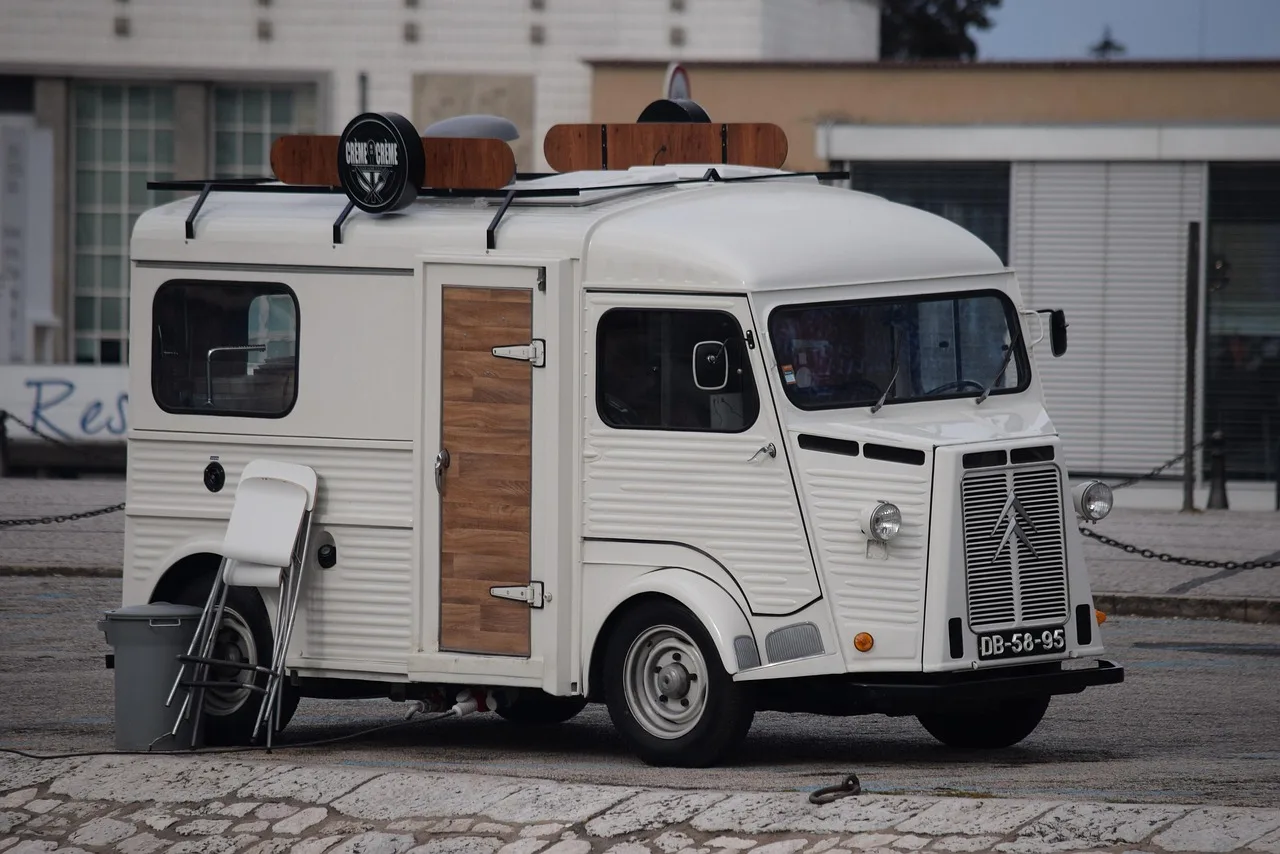
Underwriting separates the chassis from the build. The truck has a title and a book value. The build, which includes the hood, fire suppression, generator, plumbing, and wrap, is bolted in and rarely adds resale value. Lenders advance more against the truck than the build. The practical detail is set out in Small business loans in Canada CSBFP.
Working capital matters. Permits, commissary fees, insurance, propane, and inventory can run into thousands before your first service. Some microloan intermediaries let the loan cover supplies and opening costs, not just hardware.
Collateral and the mobile-asset problem
A truck is movable, and that cuts both ways. A lender can repossess a titled vehicle. The real problem is value. A custom food truck sells into a thin market, so a bank may advance only part of the appraised value or ask for a home equity pledge.
Wrap the personal exposure. A personal guarantee puts your house and savings behind the note if the business cannot pay. That is standard for both programs, and the legal concept of a guarantee explains why lenders insist on it even when collateral exists.
When the vehicle hauls cargo instead of cooking equipment, resale is wider and underwriting softens, as we set out in buying a delivery van.
Credit and documentation expectations
Microloan intermediaries look at character and cash flow more than score. Many work with scores in the low 600s, and some lend to borrowers with shorter credit histories. Expect a business plan, a truck quote, permits, a commissary agreement, and projections.
Banks want more. A typical file includes two years of personal and business returns, a debt service coverage ratio near 1.25, and a credit score in the 650s or higher. The SBA microloan program page notes that startups qualify, which is unusual in small business lending.
A bank can lend against a truck. It cannot lend against customers who have not arrived yet. Structure is the first question, not rate.
Example: a $42,000 truck and build
- Split the quote$26,000 for a used step van, $16,000 for the build, permits, and opening stock.
- Apply to two microloan intermediaries for $40,000. One caps at $35,000, so match the ask to the lender ceiling.
- Ask a community bank for a $42,000 term loan over five years, then compare that payment against a six year microloan.
- Plan for a shortfall. If the bank funds 70% of the build, you cover the rest in cash or with a second position lender.
- Keep three months of payments in reserve before signing, because winter slows a mobile route.